Type 2 Diabetes Remission: What Is Realistic, and What Is Hype
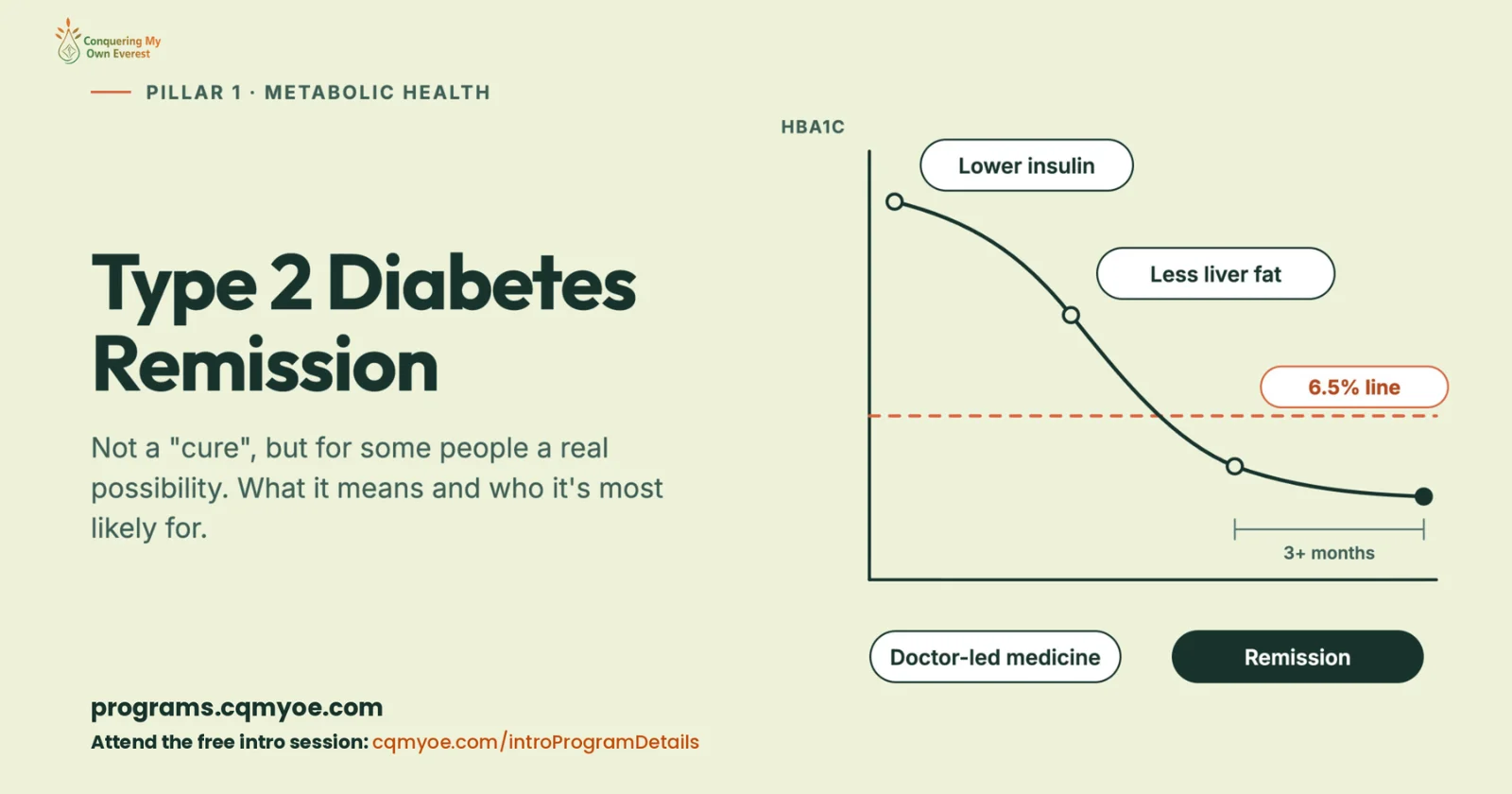
Type 2 diabetes cannot honestly be "cured", but for some people it can go into remission. That generally means an HbA1c below 6.5% for at least three months without glucose-lowering medicine, as defined by an international expert consensus in 2021. Remission is most likely when diabetes is recent and liver and pancreas fat comes down. Even without full remission, lifestyle change can lower HbA1c and medicine doses. Never stop medicine on your own; your doctor reduces it as your numbers improve.
Search "diabetes reversal" and you will find promises of a cure in 21 days. CQ does not make that promise, and you should be wary of anyone who does. There is good news, though, and it is real.
Cure, reversal and remission: the difference
Cure would mean the condition is gone for good, with no risk of return. Type 2 diabetes does not work that way.
Reversal is a popular word, but vague.
Remission is the medical term: blood sugar back in the non-diabetic range without diabetes medicine, for a sustained period. It can return if old habits come back, which is why ongoing care matters.
In CQ's words, once a person has diabetes they are always considered diabetic, but the condition can be managed, slowed, and for some people brought into remission.
Who is most likely to reach remission?
Research points to a few factors:
A shorter time since diagnosis. The pancreas still has more capacity to recover in the early years.
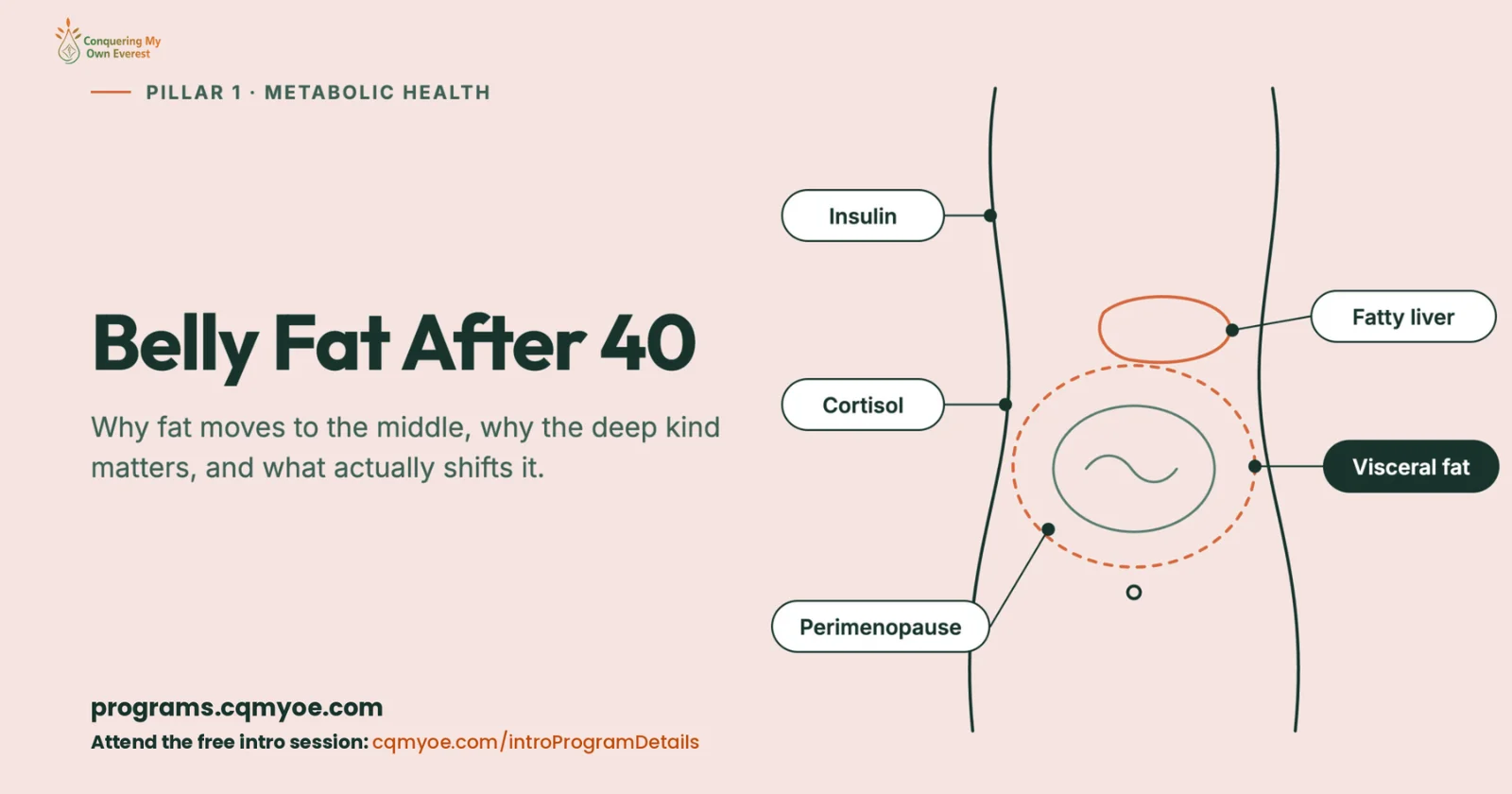
Losing fat from the liver and pancreas. Fat inside these organs (ectopic fat) is closely tied to type 2 diabetes. See the three fats every woman should know and how to reverse fatty liver.
Lower doses of medicine at the start, particularly not yet needing insulin.
Lasting change, not a short diet.
If you are at the borderline stage, you have the best chance of all. Read how to reverse prediabetes.
What the numbers mean
| Test | Prediabetes | Diabetes range | Remission (with no diabetes medicine for 3+ months) |
|---|---|---|---|
| HbA1c | 5.7-6.4% | 6.5% or above | Below 6.5% |
| Fasting blood sugar | 100-125 mg/dL | 126 mg/dL or above | Below 126 mg/dL |
HbA1c and fasting sugar are worth checking every 3 months while you are making changes.
The middle path with medicines
CQ's position is clear: medicine and lifestyle work together. Refusing medicine out of stubbornness often leads to worse health with age. Relying only on pills while daily habits stay the same will not heal anything either.
Keep taking your medicines exactly as prescribed.
As food and activity change, your sugar may drop, sometimes quickly. Check it regularly and tell your doctor, who may need to reduce doses to avoid low sugar.
Any reduction or stop is your doctor's decision, made step by step.
Treat your doctor as a partner. Ask questions politely, share your food journal, and choose a doctor who listens.
The CQ approach to managing type 2 diabetes
Lower the sugar load: daily glycemic load from a typical 300-400 toward 50-70, then lower over months with your coach. See glycemic load vs glycemic index.
Eat in the CQ Sequence of Eating: a little fat, protein, dal with skin, cooked vegetables, and carbs last and small. See the CQ Sequence of Eating.
Protein at every meal: 20-25 g, to protect muscle, your biggest glucose store.
Walk after every meal: at least 10 minutes. See walk after meals.
Build muscle: moderate strength work two or three times a week.
Sleep and calm: stress hormones push sugar up even on a perfect diet.
Measure: a home glucometer for fasting sugar, HbA1c every 3 months, and a waist tape. Beginners do better with these simple tools than with a continuous glucose monitor full of data.
The root problem is insulin resistance; read how to reverse insulin resistance.
What success looks like
For some people, success is remission. For many others, it is an HbA1c that falls, fewer medicines, more energy, a smaller waist and no complications. Both are worth working for. Among the [total members] people who joined CQ in 2025 and 2026, 105 reported type 2 diabetes; for most of them, steady improvement mattered more than a single label.
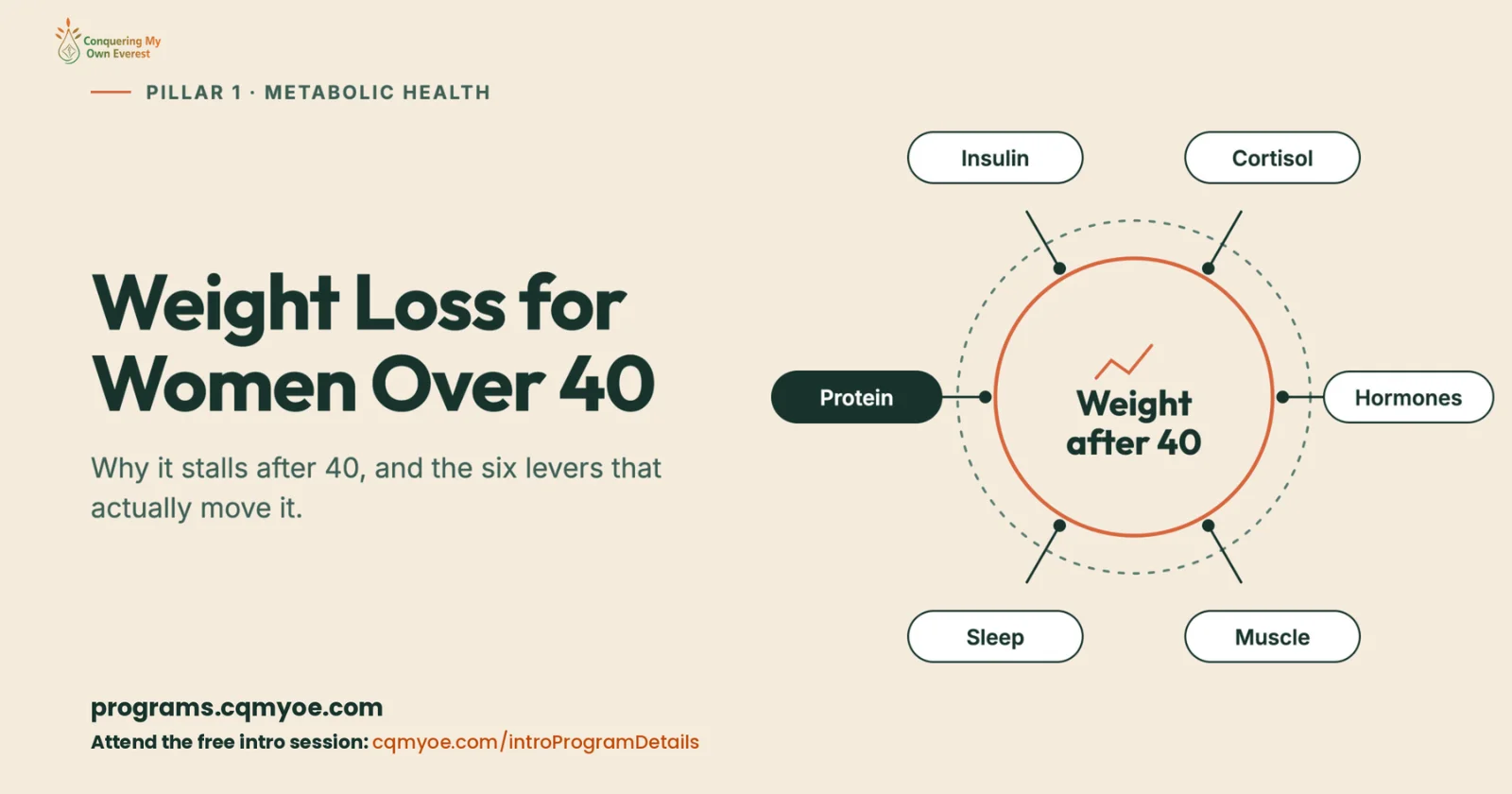
For the bigger picture of weight, hormones and metabolism in midlife, read weight loss for women over 40.
Want to work toward better numbers alongside your doctor? Join the next CQ batch.
Never stop or change diabetes medicine without medical supervision.
This article is for education and does not replace advice from your doctor.
Frequently asked questions
Can type 2 diabetes be reversed permanently?
It cannot honestly be called cured, but some people reach remission: normal-range blood sugar without medicine. It can return if old habits return.
What is the definition of diabetes remission?
An HbA1c below 6.5% for at least three months after stopping glucose-lowering medicine, according to a 2021 international consensus.
Can I stop my diabetes medicine if my sugar is normal?
Not on your own. Your doctor decides whether and how to reduce it, step by step.
Who is most likely to reach remission?
People diagnosed recently, on fewer medicines, who lose liver and pancreas fat and keep their new habits.
Is metformin safe to take alongside lifestyle change?
Many doctors consider it one of the most established first-line medicines. Take it as prescribed and discuss any concerns with your doctor.
How long does it take to see HbA1c improve?
HbA1c reflects about 3 months, so check it every 3 months while you make changes.